
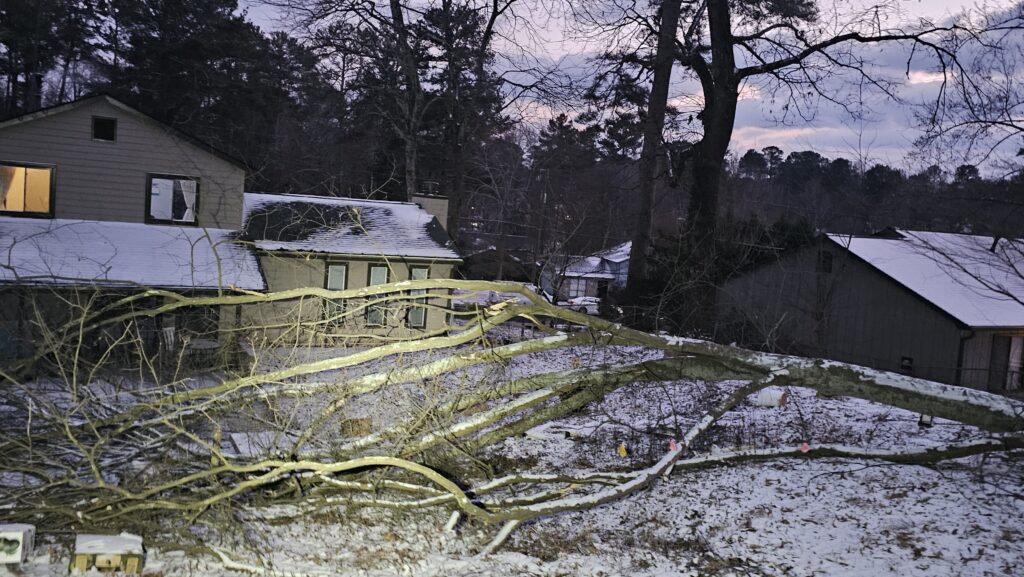
How to Spot Dangerous Trees in Atlanta Before They Damage Your Property
Trees are a major part of Atlanta’s landscape, adding beauty, shade, and property value. But when a tree becomes unhealthy or unstable, it can quickly turn into a serious safety hazard. With frequent storms, heavy clay soil, and mature tree canopy, dangerous trees in Atlanta are more common than many homeowners realize.
Why Dangerous Trees Are Common in Atlanta
Atlanta’s climate and environment create ideal conditions for tree failure:
Strong thunderstorms and high winds
Heavy rain that loosens clay soil
Older neighborhoods with mature trees
Heat, drought stress, and sudden temperature changes
Even trees that look healthy can fail if internal damage or root problems are present.
Top Warning Signs of a Dangerous Tree on Your Property
1. Dead or Falling Branches
Large dead branches—often called widowmakers—can fall without warning. If you notice branches with no leaves, brittle wood, or peeling bark, the tree may be dying or under severe stress.
2. Cracks or Splits in the Trunk
Deep vertical cracks or visible splits weaken the tree’s structure. These defects often worsen during storms and increase the risk of the tree breaking apart.
3. Leaning Trees
A tree that suddenly starts leaning is a serious red flag. This usually indicates root damage or soil movement.
Signs of danger include:
Exposed roots
Uplifted soil at the base
Leaning more after storms
4. Exposed, Damaged, or Rotting Roots
Roots anchor a tree to the ground. Construction damage, erosion, or decay can compromise stability. In Atlanta’s clay soil, weakened roots greatly increase the chance of tree failure.
5. Fungal Growth Near the Base
Mushrooms or fungal growth around the trunk often signal internal decay. In Atlanta’s humid climate, fungi spread quickly and weaken trees from the inside.
6. Hollow or Decaying Trunks
If a tree sounds hollow when tapped or has visible cavities, it may already be structurally unsafe. Hollow trees are unpredictable and can fall without warning.
7. Sparse Leaves or Sudden Dieback
Trees that lose leaves early, have thinning canopies, or show dead branch tips may be suffering from disease, pest infestations, or root problems.
8. Pest Infestations
Common pests affecting Atlanta trees include borers, beetles, and termites. Warning signs include small holes in the trunk, sawdust-like residue, and loose or falling bark.
9. Trees Too Close to Homes or Power Lines
Large trees growing near houses, fences, or power lines pose a higher risk as they mature. Overhanging limbs are one of the leading causes of storm-related property damage in Atlanta.
10. Storm-Damaged Trees
Trees that have been hit by lightning or damaged during storms may have hidden structural issues. Even if the tree is still standing, delayed failure is common weeks or months later.
What to Do If You Suspect a Dangerous Tree
If you notice any of these warning signs:
Keep people and vehicles away from the area
Avoid attempting DIY tree removal
Contact a professional tree service in Atlanta for an inspection
A trained tree expert can determine whether pruning, bracing, or full removal is necessary.
When to Call a Professional Tree Service in Atlanta
You should call a professional if:
A tree threatens your home or structures
Branches hang over power lines
A tree was damaged during a storm
You are unsure whether a tree is safe
Early intervention can prevent emergencies and save money.
Professional Tree Service in Atlanta You Can Trust
Atlanta Tree Movers provides expert:
Hazardous tree removal
Tree trimming and pruning
Emergency storm damage cleanup
Safe removals in tight spaces
We understand Atlanta’s trees, soil, and weather conditions—and how to protect your property year-round.