
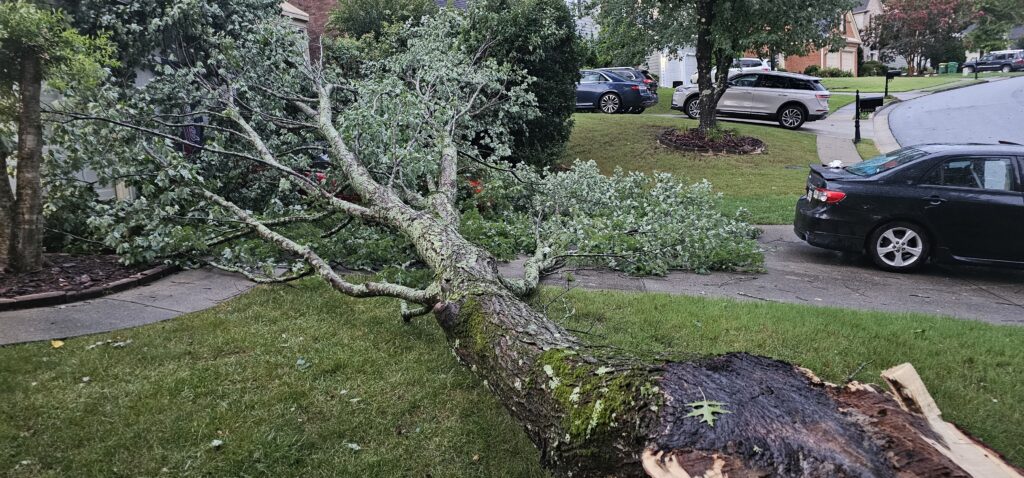
Who’s Responsible If Your Neighbor’s Tree Falls on Your Property? A Complete Guide
Trees add beauty, shade, and value to your property—but they can also become a source of neighborly disputes when they lean, die, or fall. If you’ve ever wondered, “I verbally told my neighbor their tree is leaning toward my house—who’s responsible if it falls?”, you’re not alone. This guide covers legal responsibility, insurance, best practices, and tips to protect yourself and your property.
✅ Learn who’s liable if a neighbor’s tree falls on your property. Understand verbal warnings, negligence, insurance coverage, and how to protect yourself. Atlanta Tree Movers explains everything homeowners need to know.
Verbal Warnings: Helpful but Limited
Telling your neighbor about a potentially hazardous tree is a responsible first step. A verbal warning can show you communicated a concern, but it has serious limitations:
Hard to Prove: Without written evidence, it’s your word against theirs if damage occurs.
Best Practice: Follow up verbally with written documentation. For instance, send a certified letter or email stating your concern about a leaning, dead, or diseased tree.
Example:
“Hi [Neighbor], I noticed that your oak tree near our property line is leaning toward our house. I’m concerned it could fall during a storm. Please have it inspected or removed.”
This creates a paper trail that could protect you if the tree falls later.
Tip: Keep copies of all communication and take photos of the tree’s condition.
Determining Liability: Natural Causes vs. Negligence
Responsibility depends on whether the tree fell due to natural causes or negligence:
Natural Causes (“Acts of God”)
- If a healthy tree falls during a storm, hurricane, or strong winds, it’s usually considered an “act of God.”
- In most states, the tree owner is not automatically liable.
Negligence
- If a tree is dead, diseased, or obviously hazardous and the neighbor fails to act after being warned, they may be liable for damages.
- Your verbal or written warning can help prove negligence—but written evidence carries more weight.
Example: A dead ash tree has been leaning toward your house for months. You warn your neighbor verbally and via email. A strong wind knocks it over, causing damage. The neighbor may be responsible because they ignored a known hazard.
Insurance Coverage and Property Damage
Even if a neighbor is at fault, insurance often comes into play:
- Homeowners’ Insurance: Most policies cover damage from fallen trees, even if they come from a neighbor’s property, depending on the circumstances.
- Neighbor’s Insurance: If negligence is proven, their insurance may reimburse you.
- Shared Responsibility: Sometimes, both homeowners’ policies are involved. Adjusters will evaluate whether negligence contributed to the tree falling.
Pro Tip: Always document tree conditions before a fall. Photos of cracks, decay, or leaning can strengthen your insurance claim.e
Steps to Protect Yourself and Your Property
To reduce liability and protect your home:
- Document the tree: Take clear photos, note dates, and track any changes in its condition.
- Communicate in writing: Follow up verbal warnings with certified mail or email.
- Hire a certified arborist: Professional evaluation provides an unbiased opinion on tree health and risk.
- Check your insurance policy: Know what’s covered and how claims are handled.
- Avoid DIY removal: Removing a tree yourself can create liability or violate local codes.
Maintaining Neighborly Relations
Good neighbor relationships are just as important as legal considerations:
- Stay calm: Communicate concerns politely and focus on safety.
- Offer solutions: Suggest hiring a tree service or arborist to inspect the tree.
- Document interactions: Keep a record of conversations, dates, and any agreements.
Maintaining transparency and collaboration can prevent disputes from escalating into lawsuits.
Legal Considerations by State (Optional)
Liability rules for fallen trees can vary by state. Here are some general guidelines:
- Georgia: Negligence generally determines responsibility. A tree owner may be liable if they fail to maintain a tree they know is hazardous.
- Other States: Some states may have stricter “acts of God” clauses, while others focus on clear evidence of neglect.
Tip: Consult a local attorney or arborist if you’re unsure about your state’s rules.
When to Call a Tree Service
Hiring a professional tree service can prevent potential hazards and disputes:
- Tree removal: Dead, diseased, or dangerously leaning trees.
- Tree pruning: Reduces risk of large branches falling.
- Emergency services: After storms or if a tree suddenly becomes a hazard.
Atlanta Tree Movers offers certified arborists and professional tree removal services to help homeowners protect their property.
Key Takeaways
- Verbal warnings are helpful but not sufficient—written proof is essential.
- Liability depends on whether the tree fell naturally or due to neighbor negligence.
- Document everything: Photos, emails, and professional assessments protect you.
- Homeowners’ insurance often covers tree-related damage, but professional guidance is recommended.
- Maintaining a positive relationship with neighbors can prevent conflicts and lawsuits.
✅ Bottom Line
- Trees can enhance a property, but they can also create risks. If a neighbor’s tree falls, responsibility isn’t always clear-cut. Protect yourself by documenting tree conditions, communicating in writing, consulting professionals, and understanding insurance coverage. Taking these steps will safeguard your home, finances, and neighborly relationships.
Homeowner’s Guide
Real Words from Real Customers
EXCELLENTTrustindex verifies that the original source of the review is Google. Excellent service from a friendly person at a fair price.Posted onTrustindex verifies that the original source of the review is Google. Luke and James were great! They were professional, friendly and did a great job with the clean up. The price was more than fair (received quotes from two other companies). Highly recommend Atlanta Tree MoversPosted onTrustindex verifies that the original source of the review is Google. It was a pleasure to work with Atlanta Tree Movers LLC! Luke and his team were excellent! Trimmed branches that needed it, and didn't try to convince us that we needed lots more work done, too (which is what happened with a different company a few years ago). Price was way lower than other companies I have received quotes from over the years, and they double checked before they got started to make sure we were all on the same page with work to be done and price. Professional, polite and pleasant. Cleaned up fully afterward. No question who I will call and recommend for future tree work- hands down I'll be calling Luke and his team at Atlanta Tree Movers!Posted onTrustindex verifies that the original source of the review is Google. Luke and his company really love and understand their work. He gave a logical explanation for why the tree was weakened in the first place, gave a lot of flexible and detailed options for which aspects of the job we did and didn't want to handle and how much each would cost, and when they actually did the job they did it with professionalism, thoroughness, an eye to both safety and satisfaction, and threw in a leaf blow for our gutters while they were at it. Would definitely recommendPosted onTrustindex verifies that the original source of the review is Google. Great company, did a great job removing a large oak tree from one of my rental properties. Communication and service were excellent.Posted onTrustindex verifies that the original source of the review is Google. Atlanta Tree Movers was quick to address a tree that was showing signs of decay in our front yard. They were professional in all our communications with them and worked extremely hard to remove our tree. I would absolutely trust them to do more work on our property should we ever need them and will be recommending their services to anyone that asks us. You’d be making a great decision by going with Atlanta Tree Movers!Posted onTrustindex verifies that the original source of the review is Google. We’ve trusted Luke for years for tree inspections and routine maintenance, and he continues to impress us every time. During a recent visit, his sharp eye spotted a serious hazard — a massive, diseased tree on our neighbor’s property that threatened our home. This wasn’t a scheduled job, but Luke immediately prioritized our safety, even though it meant throwing his schedule off for the week. Thanks to Luke and his expert climber, they safely brought down a double-trunk poplar without a single scratch to our house or fence. When the trunk came down, we were stunned to see it was almost completely hollow inside — the heartwood had rotted away, leaving just a fragile shell holding up an enormous tree. It’s frightening to think how close our home (and children) were to a major disaster, and we’re so grateful Luke caught it in time. He’s our hero. This was a complex, high-stakes job with plenty of challenges, but Luke handled every one of them with skill, care, and calm professionalism. He’s meticulous, passionate about his customers’ satisfaction, and leaves every site as spotless as possible. Even under pressure, Luke keeps his good humor and calm presence, which makes all the difference during stressful moments. Luke truly stands out — a rare blend of expertise and integrity.Posted onTrustindex verifies that the original source of the review is Google. 1000% Recommend! Luke is honest, hard working and just a pleasant person all around. I was extremely pleased with the work and pricing.Posted onTrustindex verifies that the original source of the review is Google. This company is great i recommend these guys 100